Bundeswehr University, Munich
Germany




Research Areas
Automation, Computer Science, Control Systems, Machine Intelligence, Machine Vision, Robot Programming, Robots, Sensors, Sensors systems and applications
Biography
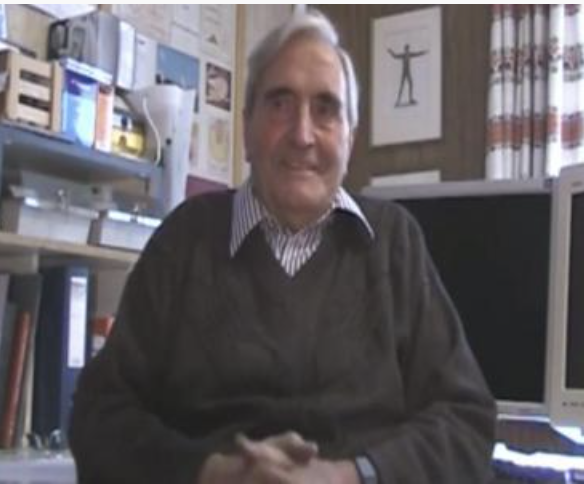
Ernst Dickmanns was born in Newcastle, near Cologne, Germany on January 4th, 1936. In 1956, following graduation from the Polz Gymnasium, he started practical work with Dornier Aircraft Engineering near Munich and in metallurgy in Kulstoph in order to enter the Aerospace Engineering industry. In addition to studying aerospace and aeronautics at RWTH Aachen from 1956 to 196,where he received his engineering degree, he studied control engineering and aerospace applications at Princeton University from 1964 to ’65, performed aerospace research with Deutsche Forschungs-und Versuchsanstalt from 1961 to ’75, earned his Ph.D. in 1969 from the Technical University in Aachen and spent his post-doc research working on the shuttle orbiter reentry with the NASA-Marshall Space Flight Center in Huntsville, Alabama in 1971-72. He was a member of the faculty at the Universität der Bundeswehr München in Munich from 1975 until his retirement in 2001, Dickmanns’ research focuses on Robotics and Artificial Intelligence, specifically on dynamic computer vision and on autonomous vehicles.
Interview Synopsis
In this interview, Dickmanns discusses his interest and involvement with the field of robotics, especially in computer vision, control design, and autonomously driving vehicles. He outlines the theories and structures behind his research projects, the challenges he faced in developing them, and the final results and applications produced. Additionally, he reflects on his career influences, his contribution to the field, and the evolution of robotics over the past few decades and projected into the future.